
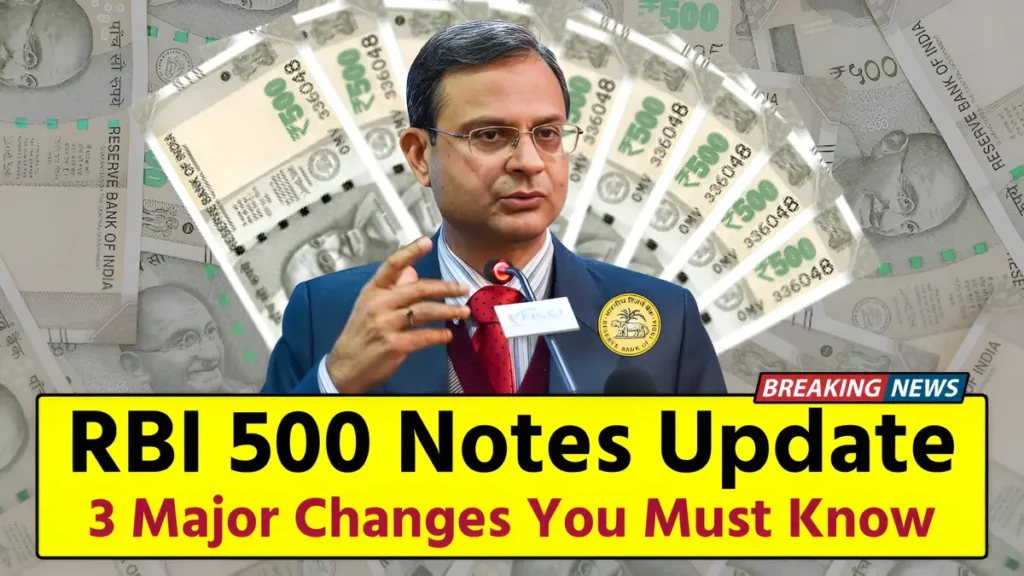
RBI ₹500 Notes 2026: The Reserve Bank of India has rolled out major updates for ₹500 notes in 2026. If you still hold old ₹500 notes, now is the time to take action. The RBI’s latest rules focus on improving security, streamlining deposits, and ensuring smooth circulation. Understanding these changes will help you avoid inconvenience and stay ahead of deadlines. Here’s a complete guide to the new ₹500 notes and what you need to do.
New ₹500 Notes Bring Stronger Security
The RBI has introduced a redesigned ₹500 note packed with new security features. Enhanced watermarks, color-shifting ink, and advanced security threads make counterfeiting nearly impossible. The updated design is not only safer but also easier to recognize during daily transactions. Citizens are advised to check the new note carefully and understand its unique security elements to avoid accepting fake currency in the market.
Quick Deposit at Banks Without Hassle
Depositing old ₹500 notes has been made simple. Visit your bank branch and exchange old notes or deposit them directly into your account. Banks will accept the old notes without extra charges, but make sure to carry valid ID proof. Depositing early avoids last-minute rushes, long queues, and possible inconveniences. Following these steps ensures your funds remain safe and are updated to the latest legal tender quickly.
Digital Methods Make Life Easy
Digital channels now provide a smooth alternative to physical deposits. Mobile banking, UPI apps, and online transfers let you convert your money safely without visiting a branch. These methods provide instant confirmation and reduce stress during peak times. For tech-savvy users, this is the fastest way to ensure old ₹500 notes are exchanged, allowing you to manage your finances without unnecessary queues or delays.
Deadline Awareness Saves Trouble
The RBI has emphasized the importance of meeting deposit deadlines. Failing to submit old ₹500 notes before the cut-off could make them invalid for payments. This can disrupt daily purchases or business transactions. Marking the deadline on your calendar and planning deposits in advance ensures you stay compliant and avoid last-minute pressure. Staying alert about official RBI notifications is essential for a smooth transition.
Businesses Must Prepare for Change
These changes affect not only individuals but also businesses across India. Retailers, small shops, and offices must be ready to accept new ₹500 notes. Businesses should also encourage customers to deposit old notes to maintain seamless transactions. Early preparation reduces confusion, avoids disputes over payments, and keeps daily operations running smoothly. Adopting the new currency quickly ensures both businesses and consumers experience minimal disruption.
Organize Notes for Faster Exchange
Keeping old ₹500 notes neat and organized speeds up the deposit process. Crumpled or torn notes may face delays or rejection. Check bank timings and follow their guidelines for depositing old currency. Being prepared with proper documentation ensures a hassle-free experience. Taking small steps like arranging notes by denomination or count can save a lot of time during peak exchange periods.
Digital Wallets Complement Cash Transition
Along with bank deposits, digital wallets can help manage funds effectively. Converting cash into wallet balance reduces dependency on physical notes. It also ensures instant availability for payments, shopping, or bill settlements. Adopting digital wallets complements RBI’s effort to circulate new ₹500 notes efficiently and reduces cash-handling stress.
Final Verdict: RBI ₹500 Notes 2026
The RBI’s 2026 ₹500 note updates focus on security, convenience, and smooth transactions. Depositing old notes promptly, understanding the new design, and using digital options will prevent penalties and ensure uninterrupted payments. Early action and awareness make the transition simple, keeping both citizens and businesses fully compliant. Following these guidelines will help you manage currency changes confidently and safely.
Disclaimer: The information provided in this article is for general informational purposes only. We strive for accuracy, but we do not guarantee completeness or correctness. Readers should verify details with official sources such as the Reserve Bank of India. We are not responsible for any financial or legal consequences.